FREE DELIVERY TODAY - Place your 1st order.

Showing 1–28 of 98 resultsSorted by latest







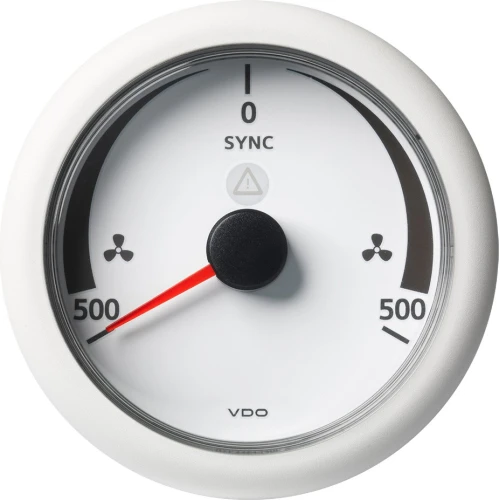


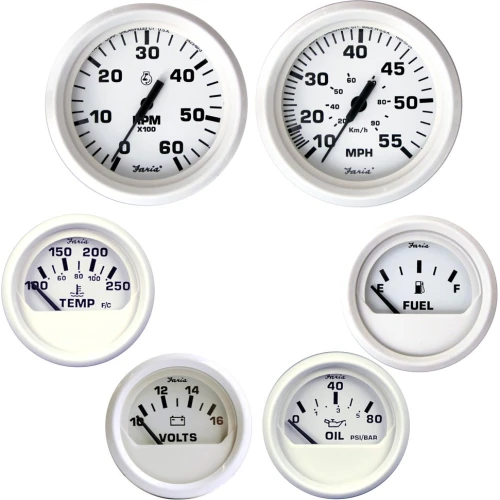
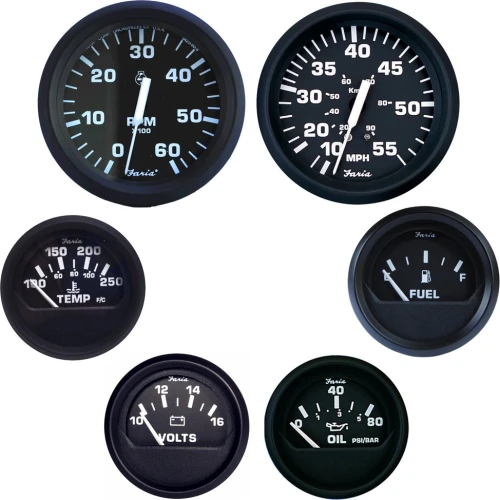


Marine Gauges & Boat Instruments
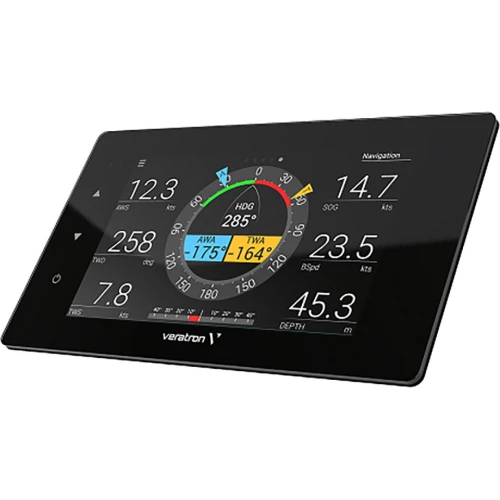
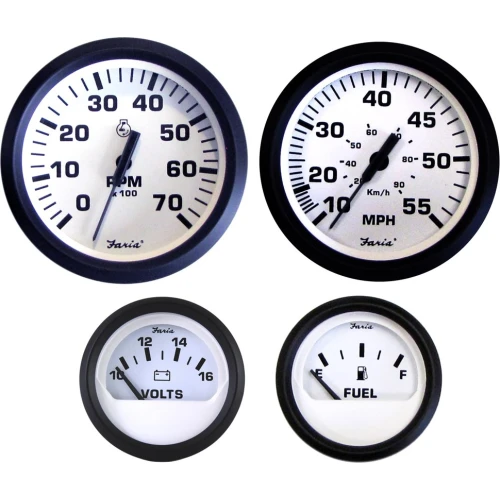
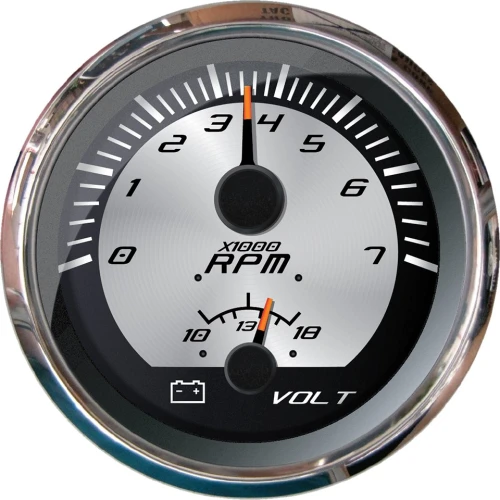
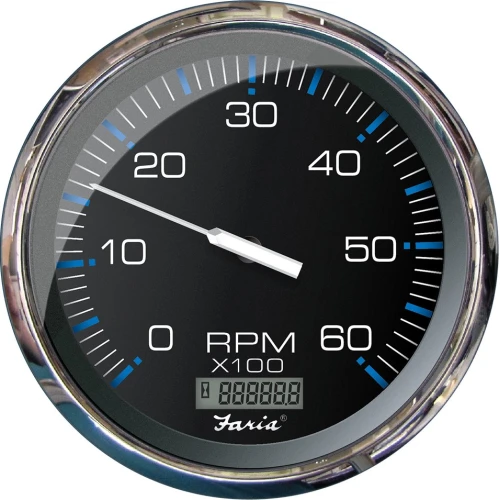
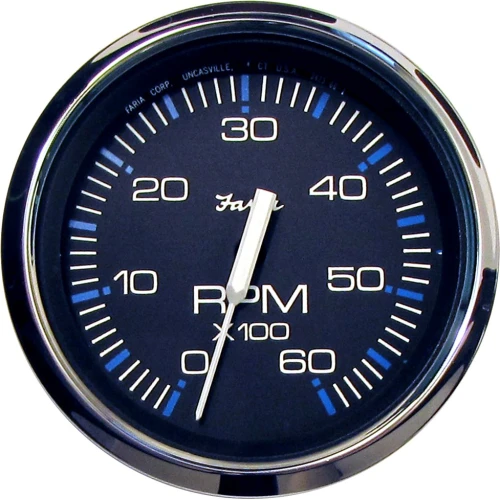
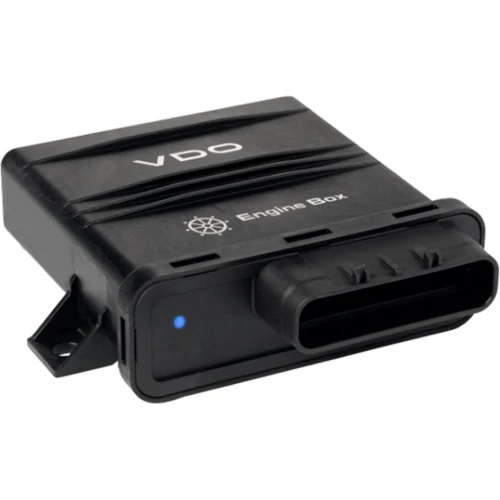
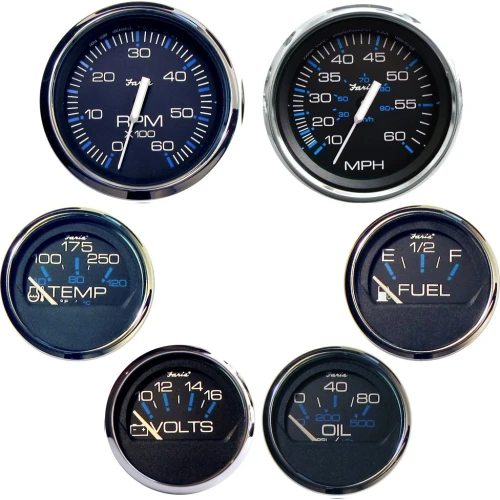
Shop our full range of marine gauges built to deliver accurate, real-time monitoring of your boat’s critical systems, including tachometers, fuel gauges, oil pressure gauges, water temperature gauges, and voltmeters for recreational and commercial vessels. Each instrument is marine-grade rated, sealed and corrosion-resistant to withstand saltwater exposure, vibration, and constant humidity.
Whether you’re outfitting a new dash panel or replacing a single boat gauge, our catalog is organized by gauge type, dial size, and voltage system to help you find the correct instrument faster. From analog dial styles to digital CANbus gauges, every listing includes dash cutout size, sender compatibility, and backlighting details so you can match your existing helm layout or build a coordinated marine gauge set from scratch.
- Analog and digital options across multiple dial sizes and finishes
- Core gauge types: tachometer, fuel level, oil pressure, water temperature, trim, voltmeter
- Sealed, corrosion-resistant construction rated for harsh marine environments
- Compatible sender and wiring configurations for accurate, reliable readings
- Coordinated gauge sets available for a clean, consistent dashboard appearance
Choose from our marine gauges collection to keep your boat’s engine and systems monitored with precise, dependable instrumentation built for long-term performance on the water.
FAQ
What marine gauges do I need for my boat?
At minimum, most vessels need a tachometer, oil pressure gauge, and water temperature gauge — larger or commercial vessels typically add fuel level, voltmeter, and trim gauges for complete system monitoring.
What’s the difference between analog and digital marine gauges?
Analog gauges use a traditional dial display, while digital gauges show real-time data on a screen with LED backlighting — digital models are generally easier to read in direct sunlight and at night.
Why can’t I use automotive gauges on my boat?
Marine gauges are sealed and built to resist saltwater corrosion, vibration, and moisture exposure that automotive instruments aren’t designed to handle, so non-marine gauges tend to fail prematurely or give inaccurate readings.