FREE DELIVERY TODAY - Place your 1st order.

Showing 1–28 of 268 resultsSorted by latest

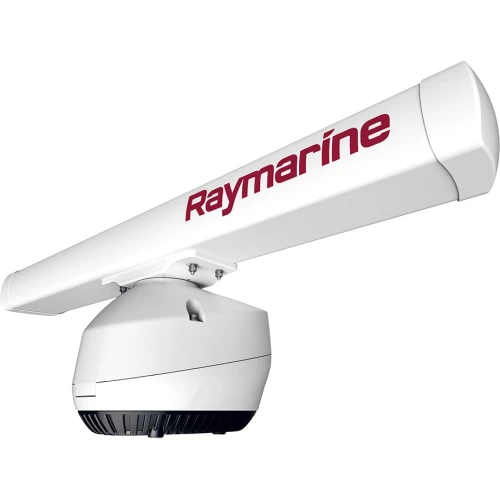


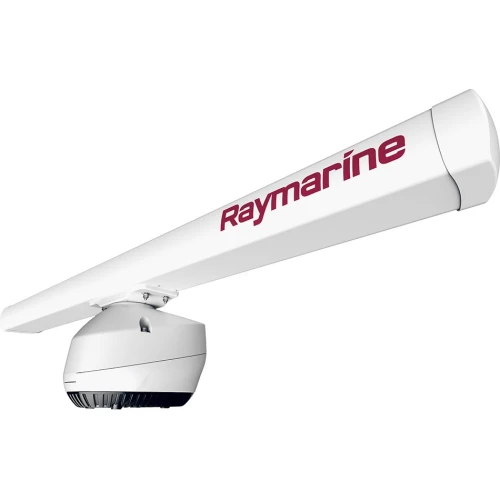
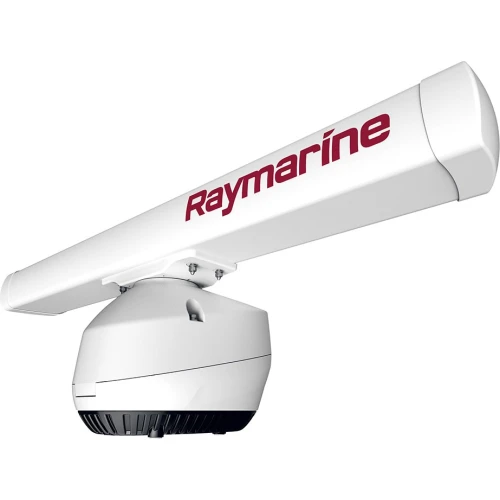


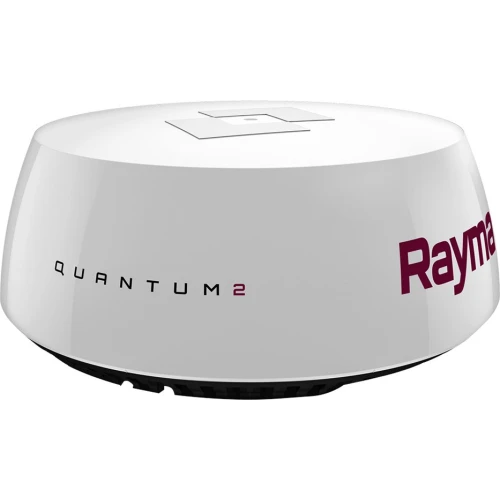


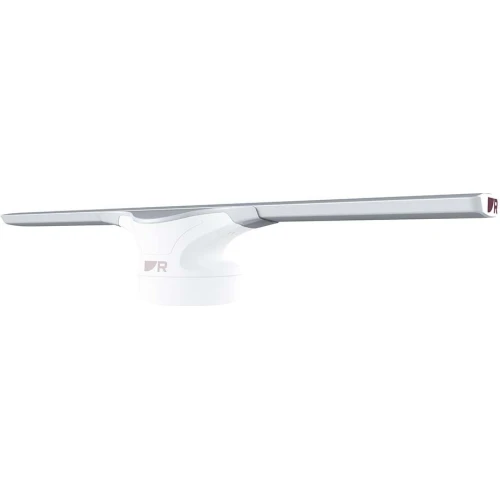

Marine Radars – Dome & Open Array Systems
Shop our full selection of marine radar systems, essential for safe navigation in fog, darkness, and heavy vessel traffic. Our lineup covers both compact dome (radome) radars for smaller boats and higher-power open array systems for larger vessels and offshore use, from four of the most established names in marine electronics.
Shop Marine Radar by Brand
We carry radar systems from four of the most trusted names in marine electronics: Garmin, offering strong integration for boaters already running Garmin chartplotters, with solid-state dome radars featuring Doppler target analysis; Furuno, long recognized for leading target-tracking capability and a broad range spanning compact domes to high-power open arrays; Simrad, known for its Halo series of solid-state dome radars with pulse compression technology and advanced target tracking features; and Raymarine, offering both traditional magnetron radomes and open array systems with dual-range scanning and automatic bird mode. Not sure which brand or configuration fits your boat? See our guidance below or reach out to our team.
Dome (Radome) vs. Open Array
A radome houses the rotating antenna inside a fixed, enclosed housing — a compact, lower-maintenance option well suited to smaller boats and boats without space aloft for a larger antenna. An open array consists of a base pedestal (housing the transmitting and receiving electronics) with a longer rotating antenna — typically 3, 4, or 6 feet — bolted on top and visibly spinning. Open arrays generally offer better target separation and longer maximum range, particularly useful at greater distances, but they’re heavier, draw more power, and cost more than a comparable dome. Smaller boats and boats with limited mounting space typically do well with a dome, while larger vessels, offshore boats, and those needing maximum range and target resolution often move up to an open array.
Solid-State vs. Magnetron (Pulse) Radar
Most modern dome radars use solid-state technology, which has no magnetron tube — the primary wear component in older radar systems — and is generally expected to last longer, with many manufacturers offering multi-year warranties on solid-state domes. Solid-state radars also support InstantOn, transmitting within seconds of power-up rather than requiring the 1-3 minute warm-up traditional magnetron radar needs — a meaningful advantage when fog closes in quickly. Traditional magnetron (pulse) radar remains available, particularly in some radome and open array models, and can still deliver strong performance at a lower price point.
Target Tracking: MARPA and Doppler
MARPA (Mini Automatic Radar Plotting Aid) is a collision-avoidance feature that tracks manually selected targets and calculates their range, bearing, speed, course, and closest point of approach (CPA) — turning raw radar returns into actionable navigation information. Many current radar systems also include Doppler target analysis, which color-codes targets based on whether they’re approaching or moving away from your vessel, making it easier to quickly identify collision risks in busy anchorages, harbors, or crossing traffic without manual calculation.
Choosing the Right Range and Power
Radar range and power output vary significantly between models and configurations — domes typically offer lower power output than open arrays, translating to shorter maximum range but often excellent close-range detail for smaller targets. Open arrays generally scale up in both power and range as antenna size increases. The right choice depends on how far offshore you typically run, how much mounting space and weight your boat can accommodate, and whether close-range detail (useful for spotting birds while fishing) or long-range detection matters more for how you use your boat. Check each model’s specific power and range rating, since these figures vary by manufacturer and configuration.
Frequently Asked Questions
Should I choose a dome or open array radar?
Domes are more compact, lighter, and lower-maintenance, making them a good fit for smaller boats or those without much mounting space. Open arrays offer better range and target separation but are heavier, use more power, and cost more — typically chosen for larger or offshore vessels.
What is MARPA and do I need it?
MARPA automatically tracks selected radar targets and calculates their course, speed, and closest point of approach, helping you assess collision risk. It’s especially valuable if you run at night, in fog, or in areas with heavy vessel traffic.
What’s the difference between solid-state and magnetron radar?
Solid-state radar has no magnetron tube, generally lasts longer, and starts transmitting almost instantly. Magnetron (pulse) radar is an older but still capable technology, often available at a lower price point.
Will my radar work with my existing chartplotter?
Compatibility depends on the brand and networking protocol — check that your chosen radar is compatible with your specific chartplotter brand and model before purchasing, since some manufacturers’ radars are designed to work primarily within their own ecosystem.
Shop Garmin, Furuno, Simrad, and Raymarine marine radar below — dome and open array — to find the right system for your boat and how you navigate.