FREE DELIVERY TODAY - Place your 1st order.

Showing 1–28 of 905 resultsSorted by latest
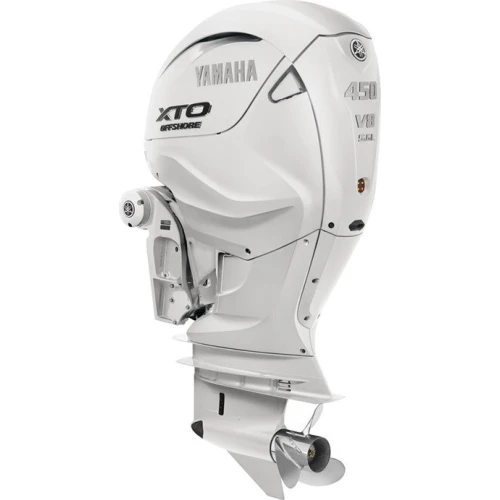
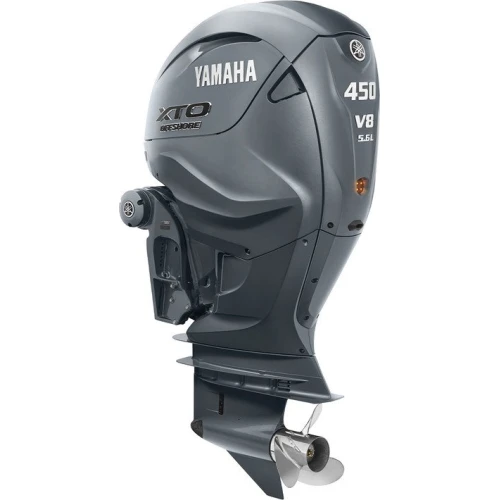
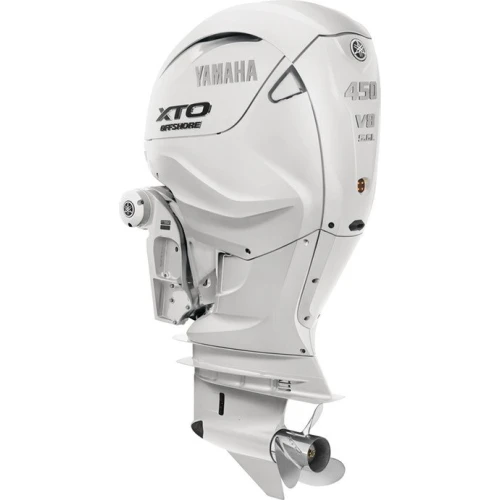
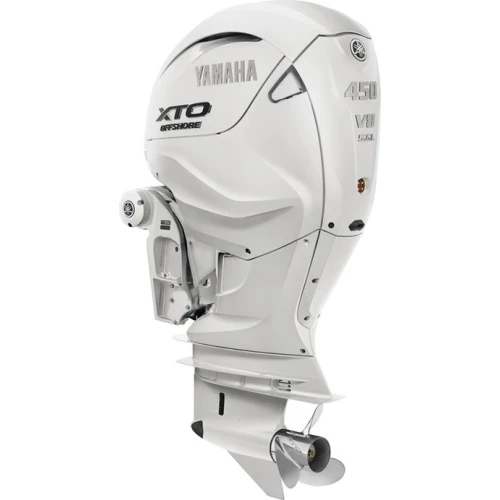
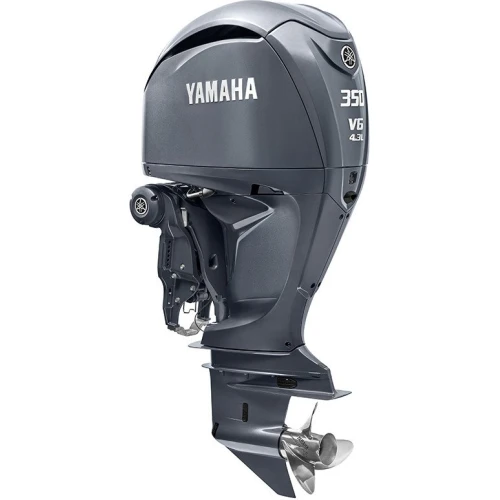
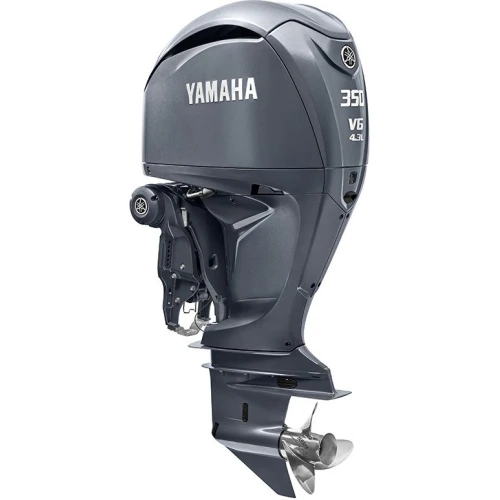
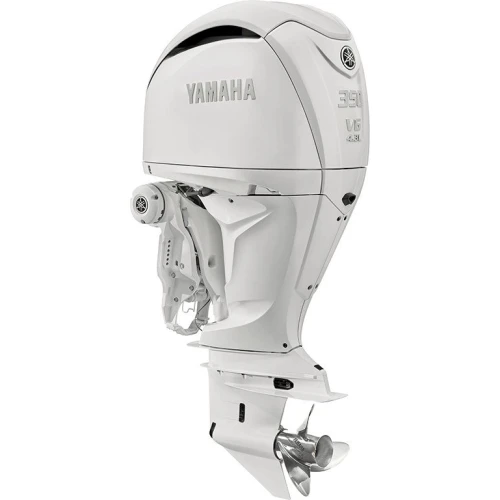
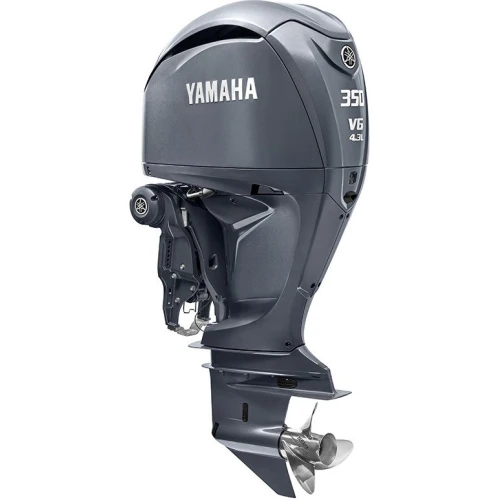
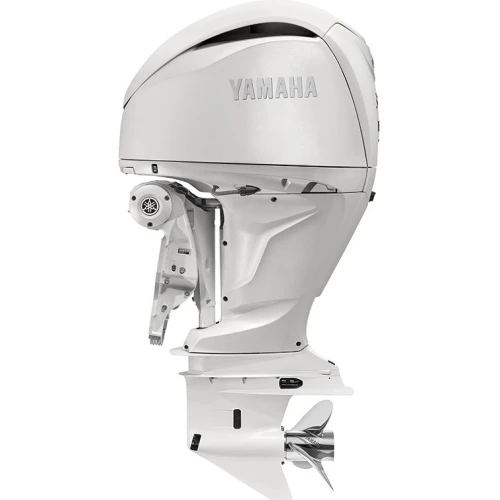
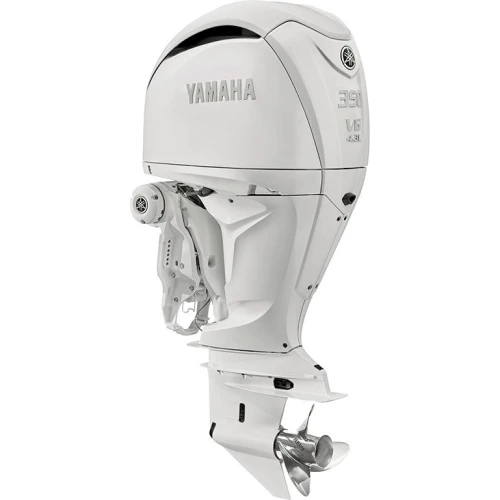

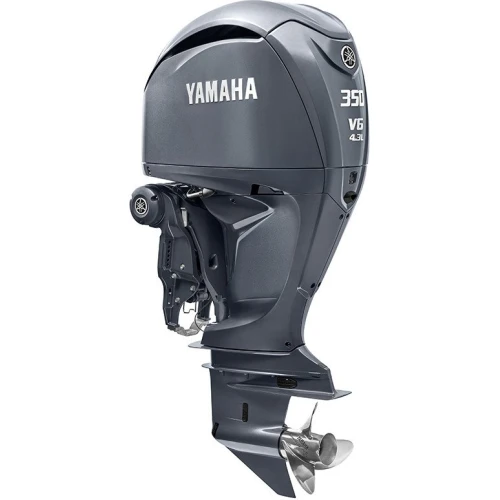

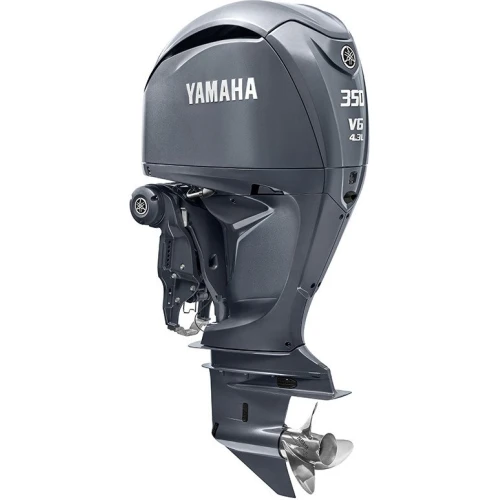
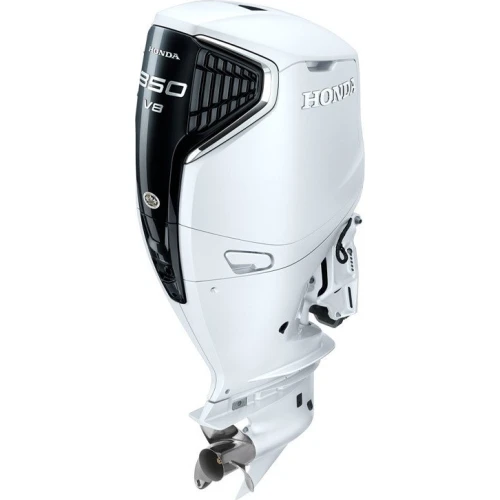


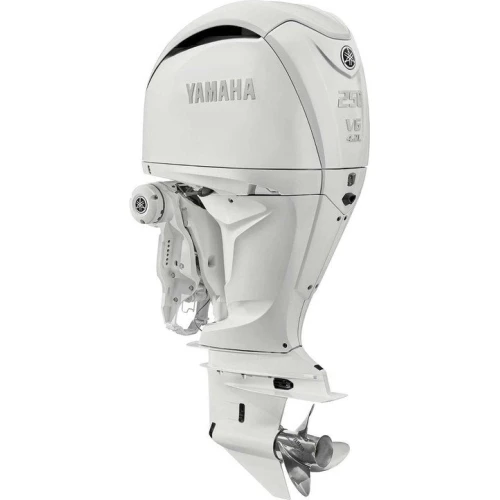

Outboard Motors – Portable, Mid-Range & High-Performance Engines
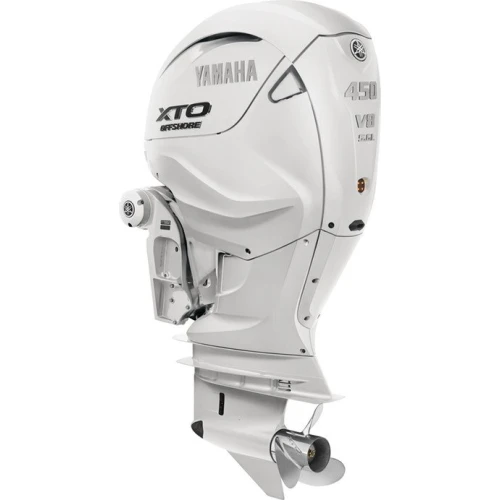
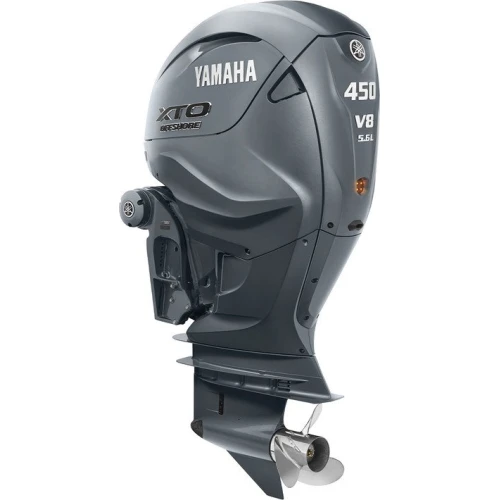
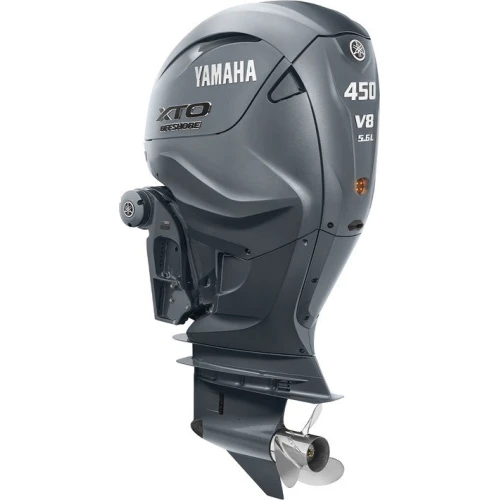
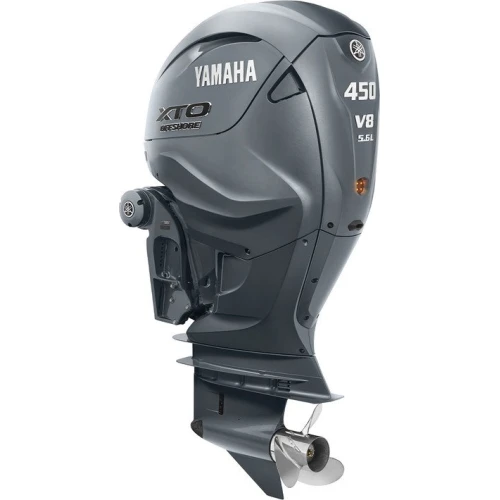
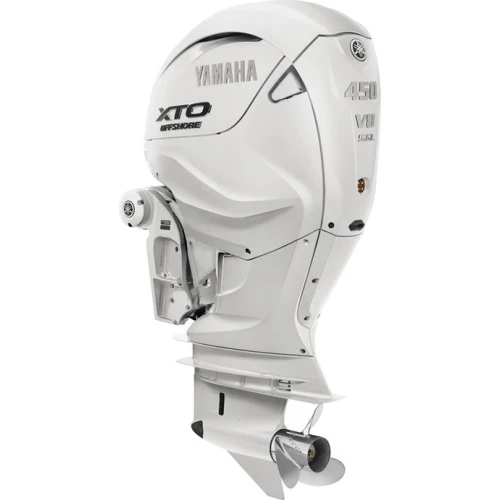
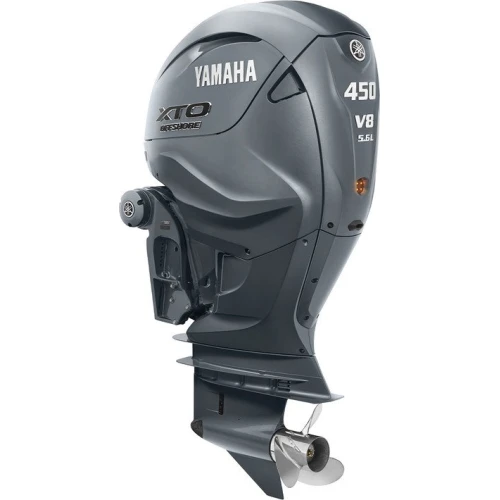
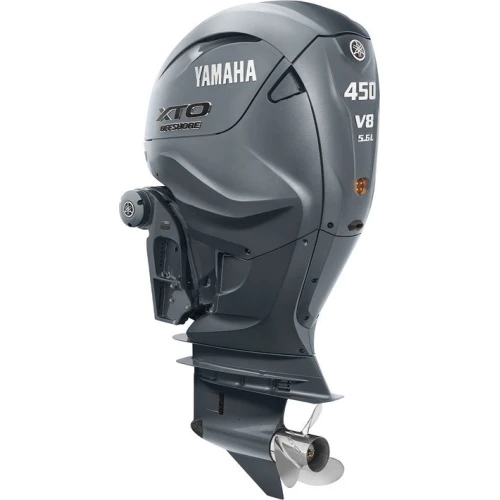
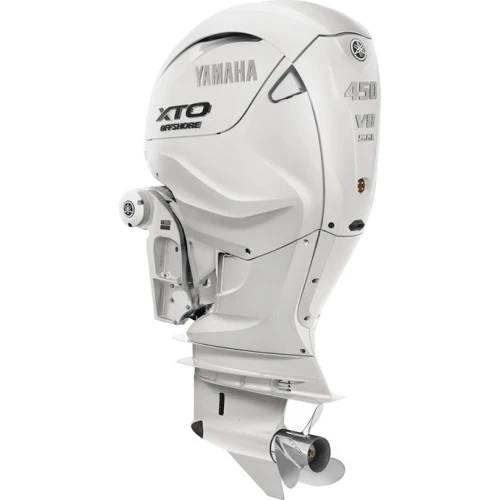
Shop our full selection of outboard motors across every horsepower range, from lightweight portables for dinghies and small tenders to mid-range engines for fishing and pontoon boats, up to high-performance V6 outboards built for larger center consoles and offshore boats. Whatever you’re powering, our lineup covers trusted brands and the shaft lengths, steering options, and features to match your boat.
Shop Outboard Motors by Brand
We carry outboards from five of the most established names in the industry: Yamaha, known for class-leading power-to-weight ratios and dependable four-stroke performance across its full HP range; Suzuki Marine, offering four-strokes from portable to V6 with proven reliability across shaft lengths and weights; Mercury, one of the most recognized names in outboards with a broad lineup spanning portable to high-performance; Honda Marine, known for smooth, quiet four-stroke operation and long-standing reliability; and Tohatsu, a longtime favorite for lightweight, no-frills portables that are easy to carry and maintain. Not sure which brand and HP range fits your boat? See our guidance below or reach out to our team.
Choosing the Right Horsepower Range
- Portable (2.5-25 HP): lightweight engines suited to dinghies, inflatables, canoes, and small aluminum boats, or as auxiliary power for sailboats. Easy to carry and store, with tiller steering standard on most models in this range.
- Mid-range (30-115 HP): the most common range for jon boats, bass boats, pontoons, and mid-size fiberglass boats. Many models in this range offer both tiller and remote-steering configurations, along with features like trolling speed control and fuel injection for smoother cruising.
- High-performance (115+ HP, including V6): built for larger center consoles, deep-V hulls, tri-toons, and offshore boats that need serious top-end speed and torque. These engines typically include hydraulic steering, NMEA 2000 connectivity, and Command Thrust or power-assisted options for better handling of heavier loads and slow-trolling control.
Matching horsepower to your hull isn’t about buying the biggest engine you can afford — it’s about matching output to your boat’s rated capacity and how you’ll use it. Check your boat’s maximum horsepower rating (usually on a capacity plate near the helm or transom) before choosing an engine.
4-Stroke vs. 2-Stroke
Most outboards today, across every horsepower range, are four-stroke engines, generally preferred for everyday use since they don’t require mixing oil with fuel, run quieter, and deliver better fuel efficiency — a modern four-stroke in the 100+ HP range can offer meaningfully better fuel economy than an older two-stroke of similar output. Modern direct-fuel-injection (DFI) two-stroke engines remain available in some lineups, offering a lighter package and quicker throttle response, though they’re less common than four-strokes across most HP ranges today.
Getting Shaft Length Right
Shaft length must match your boat’s transom height, and getting it wrong is a mistake that generally can’t be fixed without swapping engines. Outboards commonly come in four shaft lengths: short (15″) for transoms around 15 inches on smaller boats, long (20″) for transoms in the 17-22 inch range common on deep-V fishing boats and pontoons, extra-long (25″) for larger boats with taller transoms, and ultra-long (30″) for bigger offshore rigs. A shaft that’s too short can pull air into the propeller and cause cavitation, while one that’s too long creates unnecessary drag — always measure your transom height before ordering, and choose the longer option if you’re between sizes.
Tiller vs. Remote Steering
Tiller-steered motors have a handle attached directly to the engine and are common on portable and smaller mid-range outboards, offering simple, direct control from the back of the boat. Remote/wheel-steered motors are controlled from a console with hydraulic or power-assisted steering, standard on most higher-horsepower engines where precise handling at speed matters most. Some mid-range models are available in both configurations, so check which steering type fits your boat’s setup before ordering.
Frequently Asked Questions
How do I know what horsepower I need?
Check your boat’s maximum horsepower rating, usually listed on a capacity plate near the helm or transom, and choose an engine that fits within that rating based on how you’ll use the boat.
How do I know what shaft length I need?
Measure your transom height from the mounting point down to the waterline, then match it to short (15″), long (20″), extra-long (25″), or ultra-long (30″) shaft options. Choose the longer size if you’re between two lengths.
Should I choose a 4-stroke or 2-stroke outboard?
Four-stroke is the standard choice for most boaters today, offering quieter operation, better fuel economy, and no oil mixing. Two-stroke DFI models remain an option where lighter weight and quicker throttle response matter most.
What’s the difference between tiller and remote steering?
Tiller steering uses a handle attached to the engine itself and is common on smaller outboards. Remote steering is operated from a console with a steering wheel, standard on most higher-horsepower engines for more precise control at speed.
Shop Yamaha, Suzuki, Mercury, Honda Marine, and Tohatsu outboard motors below, filtered by horsepower, shaft length, and steering type to match your boat.