FREE DELIVERY TODAY - Place your 1st order.

Showing all 19 resultsSorted by latest

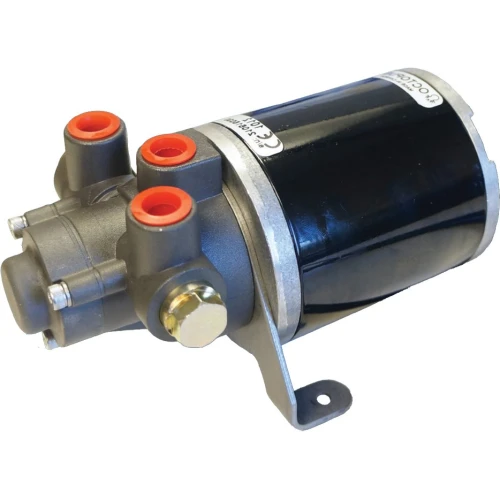
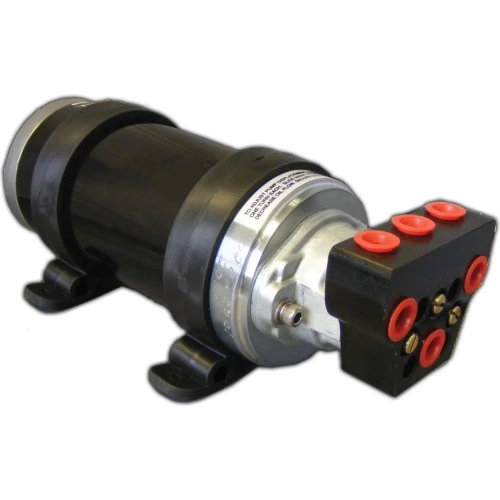
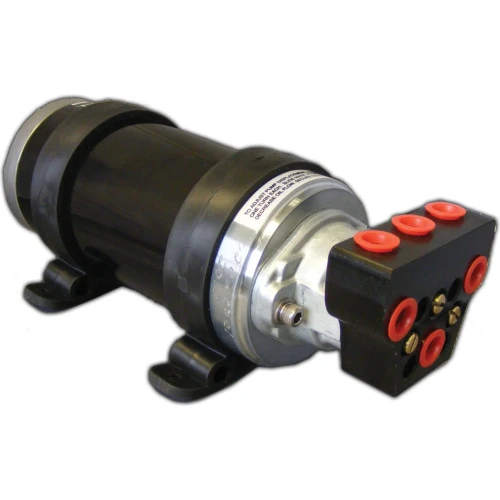
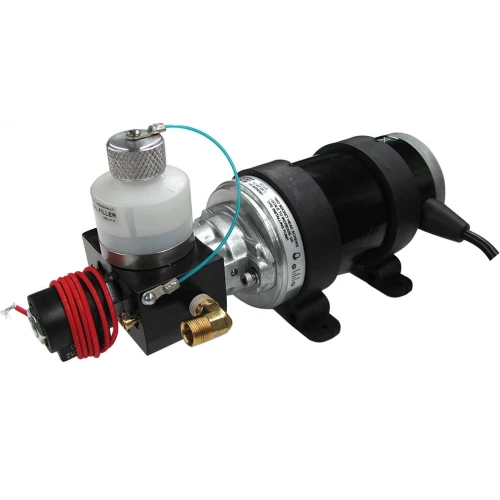
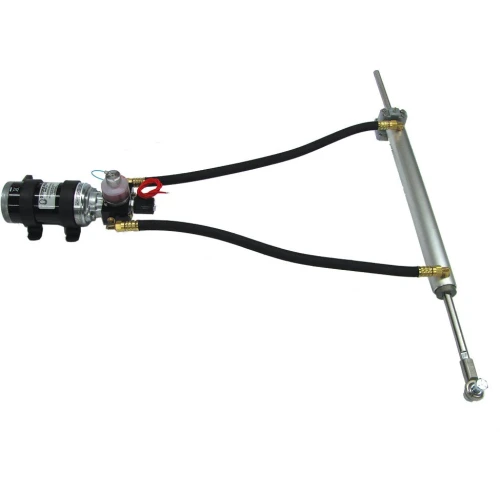
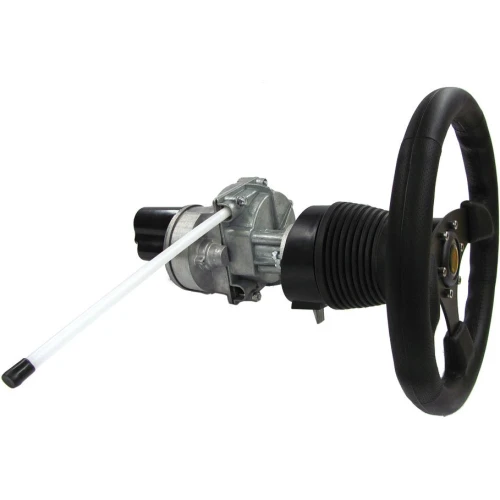
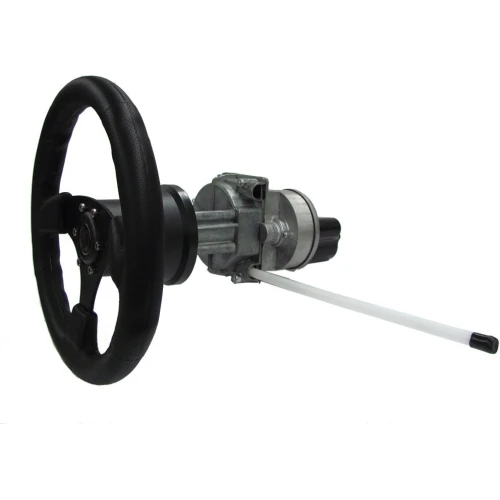
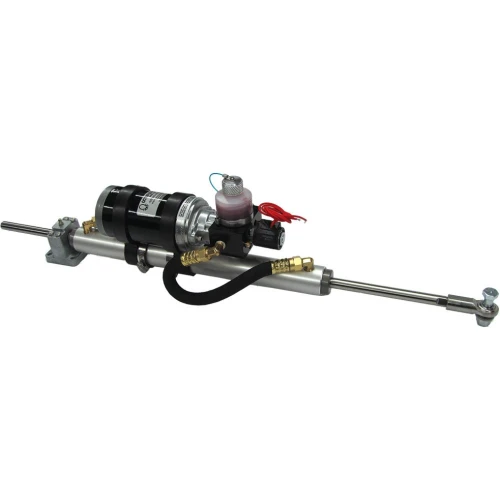
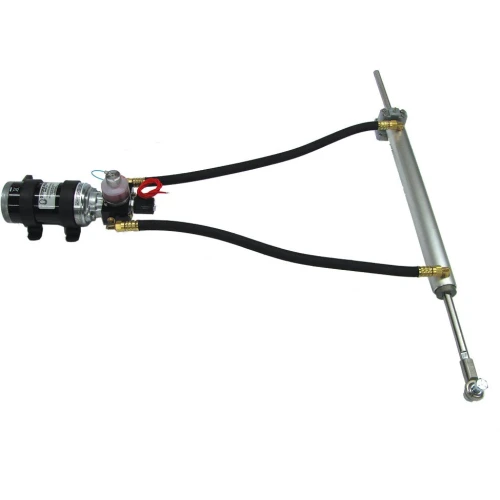
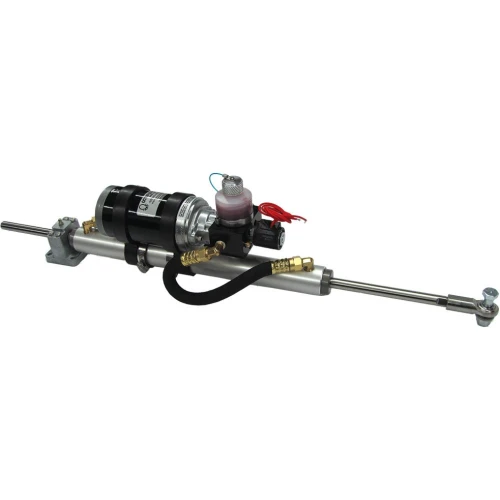
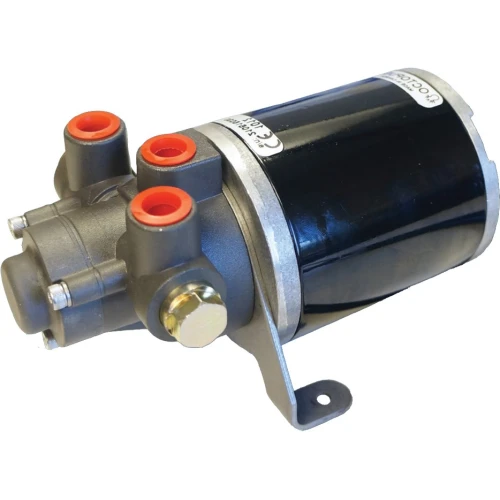
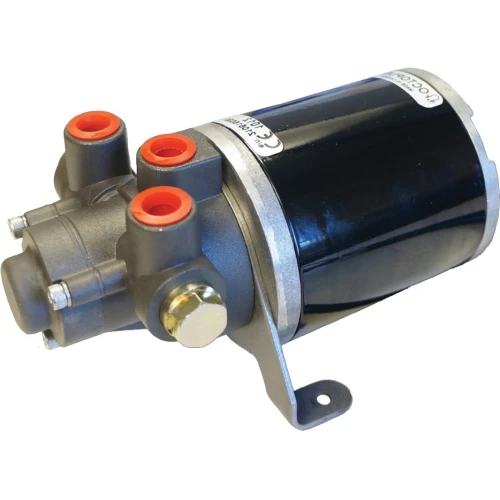
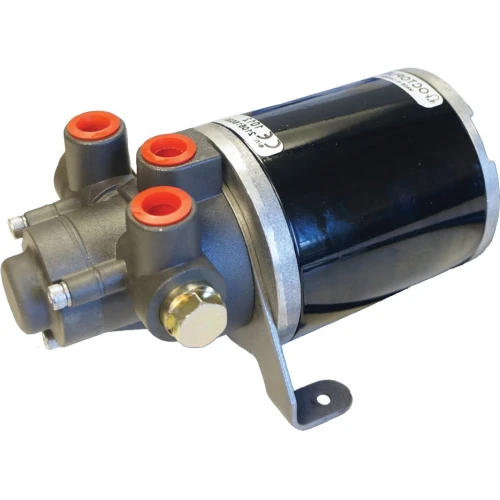
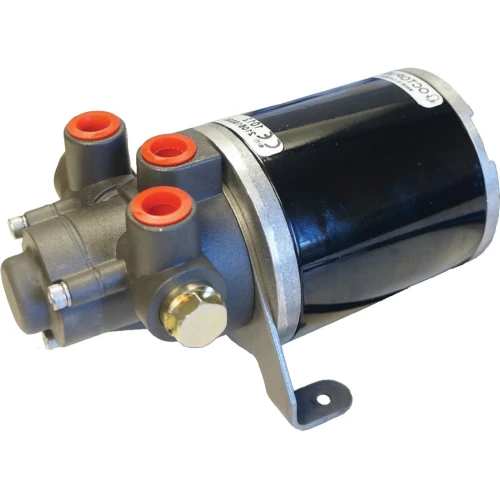
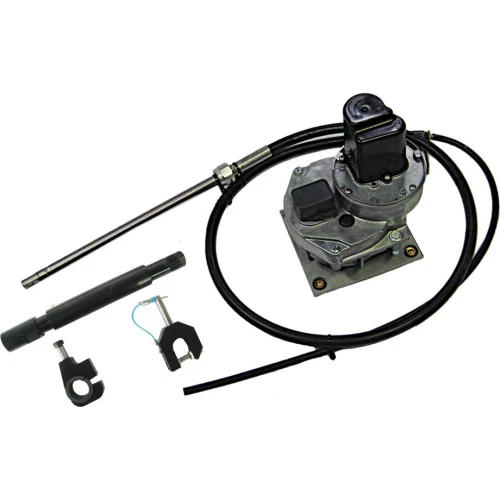
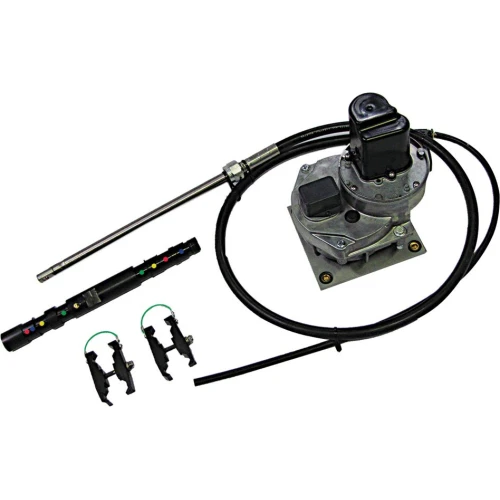
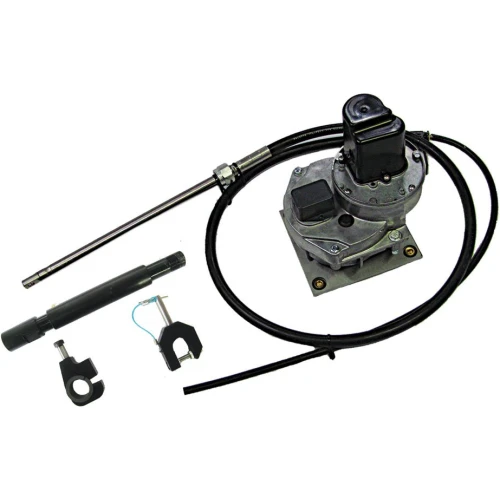
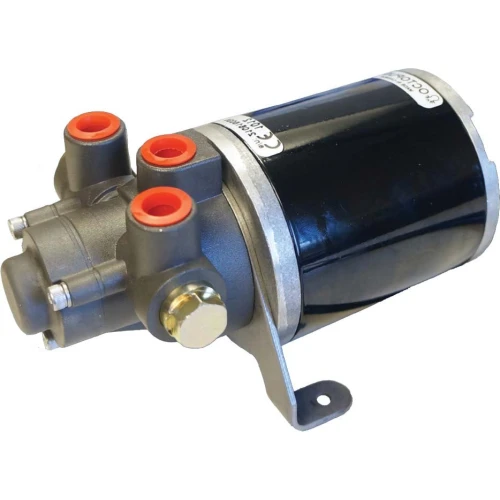

Octopus Autopilot Drive & Hydraulic Steering Systems
Integrate Octopus autopilot drives and hydraulic pump packs into your steering quadrant to secure dependable heading tracking and responsive rudder control across blue-water environments. Octopus manufactures high-efficiency mechanical linear drives, variable-displacement hydraulic pumps, and specialized stern-drive steering rams engineered specifically to withstand relentless tracking adjustments, heavy rudder torque, and continuous salt air exposure. Offshore cruisers, commercial fishing captains, and long-range mariners rely on Octopus drives to hold true courses through heavy following seas without overheating or drawing excessive battery current. Mulmarine.com stocks genuine Octopus steering hardware ready for rapid dispatch directly to your dock or yard. Upgrade your bridge infrastructure today with steering drives built for open-ocean survival.
Why Bridge System Integrators Specify Octopus Steering Drives
Octopus steering systems maximize tracking precision by eliminating mechanical cable slack and fluid blowouts at the rudder post. Upgrading your vessel with these automated marine autopilots drives ensures tight steering response under heavy structural hull loads.
- Variable displacement pumps allow captains to adjust rudder response speeds to match hull configurations, cutting battery consumption profiles by up to 50 percent.
- Mechanical linear drives utilize hardened planetary gears to manage sailing quadrants without the complexity or fluid leak risks of hydraulic lines.
- Internal field-replaceable brush assemblies allow technicians to service the drive motor without removing the entire steering ram from the transom.
- Patented clutch mechanisms isolate the drive motor instantly when manual helm control is initiated, preventing steering drag at the wheel.
Why Order Octopus Hardware from Mulmarine.com
A fried autopilot drive motor or a blowing hydraulic seal blindfolds your bridge crew and forces you to fight heavy rudder loads manually over long open-water passages. We bypass standard maritime distributor queues by maintaining physical warehouse stock of Octopus hydraulic pumps, linear rams, and replacement bypass valves. Our inventory connects safely with modern bridge networks, routing diagnostic metrics to your primary Yamaha digital helm displays panels or balancing tracking alongside auxiliary bow trolling motors setups. We pack your freight the same day to eliminate installation delays and protect your marine gearbox alignments from steering strain.
What is the difference between an Octopus constant-running pump and a reversing pump?
An Octopus reversing pump changes the direction of its electric motor rotation to push hydraulic fluid into either the port or starboard side of the steering cylinder, drawing power only when the autopilot issues a directional correction. A constant-running pump utilizes a continuous-duty motor that runs non-stop, relying on electronically controlled solenoid valves to redirect fluid flow to the cylinder rams. Choose reversing pumps for small to mid-sized recreational hulls under 50 feet to conserve battery banks, and select constant-running pumps for heavy commercial vessels requiring instant rudder response under massive load pressures.
How do you select the correct Octopus pump flow rate to match your boat steering cylinder?
To select the correct pump, you must calculate the total cubic inch volume of your existing steering cylinder ram and cross-reference it with your autopilot computer’s maximum output capacity. The pump flow rate must be sized to drive the rudder from hard-over port to hard-over starboard within a specific target time window (typically 10 to 12 seconds for standard hulls). Installing an undersized pump causes sluggish tracking and wandering headings in following seas, while an oversized pump overloads the computer’s relays and causes violent over-steering corrections.