FREE DELIVERY TODAY - Place your 1st order.

Showing 1–28 of 96 resultsSorted by latest
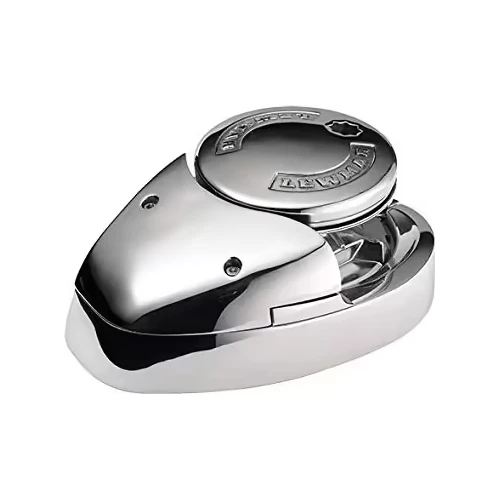

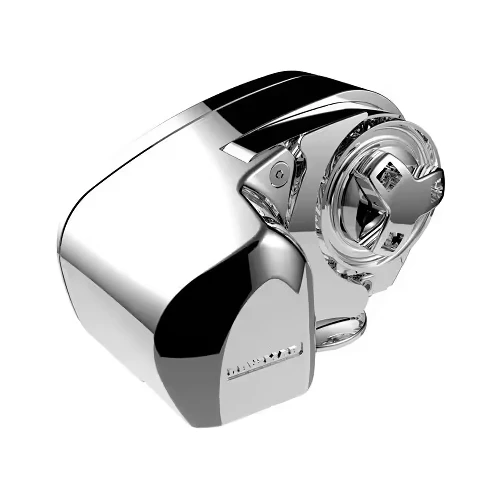
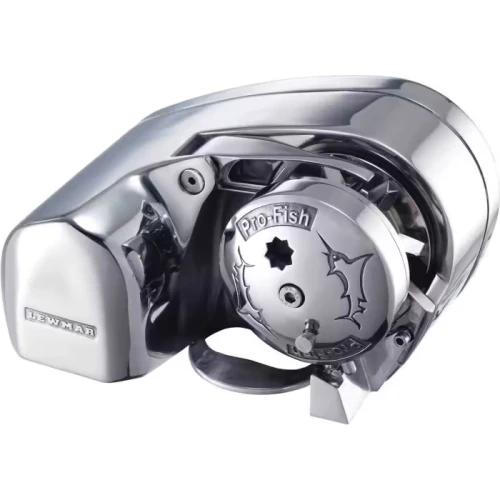


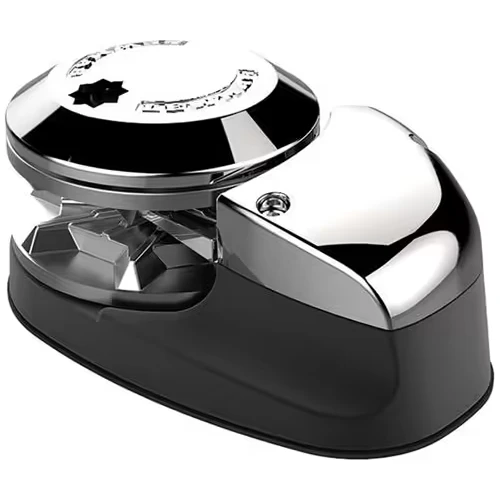


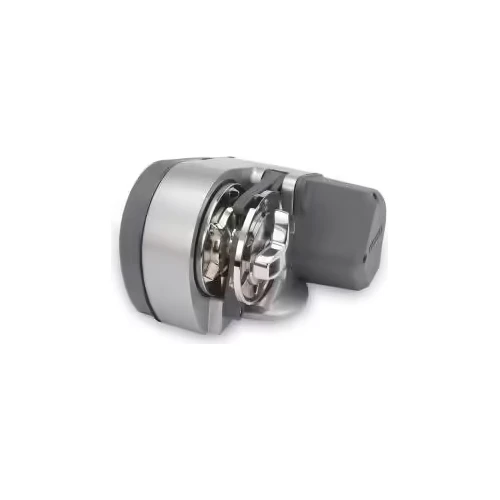
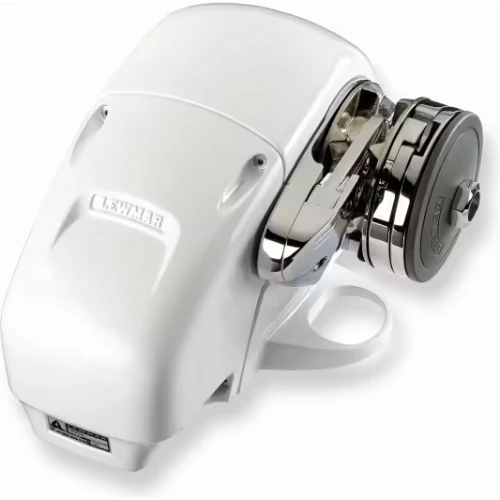
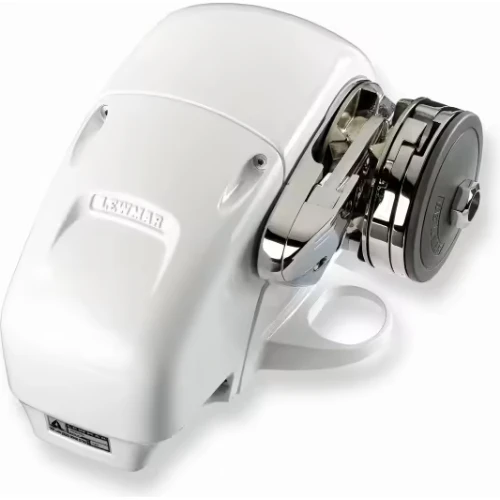


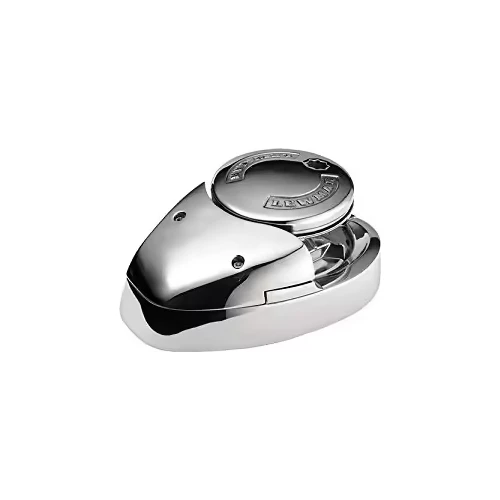
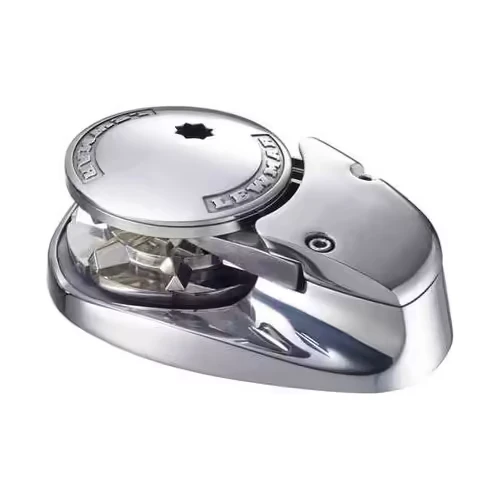


Anchor Windlasses – Electric, Manual & Hydraulic Options
Browse our full selection of anchor windlasses built for boats of every size, from weekend runabouts to offshore cruisers. Whether you’re upgrading from a manual setup or replacing a worn-out unit, our range of electric anchor windlasses, hydraulic models, and manual windlasses makes anchoring faster, safer, and less physically demanding — keeping you off the foredeck and away from unnecessary risk in rough conditions.
Shop Anchor Windlasses by Brand
We stock windlasses from the brands sailors and powerboaters trust most: Lewmar, widely recognized and available in a range of vertical models suited to smaller and mid-size boats; Maxwell, known for durable rope/chain gypsy designs across a broad power range; Lofrans, favored for compact stainless-steel construction and features like built-in chain counters; Quick, offering strong all-around performance with Italian-engineered components; Muir, built for higher pull capacity and heavy-duty use on larger cruisers; and Lone Star, a solid choice for owners looking for straightforward, budget-conscious options. Not sure which brand fits your boat? See our sizing guidance below or contact us for a recommendation.
Vertical vs. Horizontal Anchor Windlasses
Choose a vertical windlass (sometimes called a capstan-style unit) when your boat has a deep chain locker — the motor and gearbox sit below deck, keeping the footprint on top minimal and protected from spray. A horizontal windlass mounts entirely above deck with the gypsy and drum on either side of the motor, which makes it easier to service and better suited to boats with a shallow chain locker. Both configurations are available with gypsies sized for common rope/chain combinations, so you can match your existing anchor rode without adapters.
Why Upgrade to an Electric Windlass
- Faster, more consistent anchor retrieval, even against current or wind load
- Less physical strain on your back, shoulders, and hands during frequent anchoring
- Reliable performance for repeated use, not just occasional weekend trips
- Compatible with standard 12V and 24V marine electrical systems
Choosing the Right Windlass for Your Boat
Windlass selection depends on your boat’s length, displacement, and the combined weight of your anchor and rode (chain and/or rope). Manufacturers typically publish pull-capacity ratings for continuous duty separate from short-term maximum (stall) load — it’s the continuous-duty rating that matters most for everyday anchoring, since a windlass shouldn’t be relied on to break a stuck anchor free or drag the boat toward the anchor point. Sailboats with narrow bow profiles generally suit compact vertical windlasses well, powerboats often favor horizontal units for straightforward above-deck installation, and cruisers or liveaboards running all-chain rodes typically need higher continuous pull capacity to match the added weight.
Key Terminology & Compatible Hardware
A windlass rarely works alone — understanding the surrounding hardware helps you order the right combination the first time:
- Gypsy or drum: the rotating wheel that engages your chain (gypsy) or rope (drum); must match your rode’s diameter and chain type
- Anchor rode: the chain, rope, or combination that connects your boat to the anchor
- Chain locker: the below-deck compartment where the rode stores itself by gravity as it’s retrieved
- Chain stopper or snubber: secures the rode once anchored, taking load off the windlass itself — the windlass is not designed to hold anchoring loads long-term
- Anchor roller: guides the rode and anchor cleanly over the bow; should be sized to match both your anchor and windlass
Installation Notes
Many boat owners install lighter-duty vertical or horizontal windlasses themselves with standard mechanical and electrical tools, provided they’re comfortable running heavy-gauge wiring and sealing deck penetrations properly. Larger 24V systems, hydraulic windlasses, or installations requiring new deck reinforcement are generally better handled by a marine electrician or rigger, since incorrect wiring gauge or a poorly sealed deck fitting can lead to voltage drop or water intrusion over time.
Frequently Asked Questions
What size anchor windlass do I need?
Sizing is based on your boat’s length, displacement, and total ground tackle weight (anchor plus rode). Check the specific manufacturer’s sizing chart for your boat category, since ratings vary between brands.
Which windlass brand is best for my boat?
It depends on your priorities: Lewmar and Maxwell offer wide availability and parts support across most boat sizes, Lofrans and Quick are popular for compact, well-finished designs, and Muir is generally chosen for higher-capacity, heavy-duty applications.
Can I install an anchor windlass myself?
Many owners self-install vertical or horizontal windlasses with basic tools. Hydraulic systems and larger 24V setups often benefit from professional installation.
What’s the difference between a windlass and a capstan?
Technically, “windlass” refers to horizontal designs, while vertical units are more accurately called capstans — though both terms are used interchangeably by most boaters and retailers today.
Do I need a chain stopper if I already have a windlass?
Yes. A windlass isn’t designed to hold anchoring loads once the boat is set — a chain stopper or snubber takes that load off the windlass and reduces wear.
Shop Lewmar, Maxwell, Lofrans, Quick, Muir, and Lone Star anchor windlasses below, or use our sizing guidance to find the right match for your boat.